


You don’t need a harsh cleanse to “detox.” Here’s a cozy, science-first guide to how your body already keeps you safe—and the small daily rituals that truly help you feel lighter. Sure, detox diets can be helpful, but they are not the only way to improve your overall health.
There’s a quiet housekeeping crew working for you around the clock. Your liver is the night-shift custodian, sorting what stays, what goes, and what needs a little extra processing before it leaves. Your kidneys are the tidy filters by the sink, keeping your inner “kitchen” clear so the rest of you can cook, work, laugh, and sleep. None of this calls for a week of lemon water, a chalky tea, or a wallet-draining “detox kit.” It calls for care—the practical, everyday kind.
What “detox” really means
In medicine, detoxification is not a juice, a patch, or a powder. It’s a real process your body runs constantly: the liver transforms substances into safer, excretable forms; the kidneys send waste out in urine; the gut and skin do their share. If those systems are struggling, doctors use medical treatments—not cleanses. For a healthy person, the goal isn’t to “force” detox; it’s to stop getting in the way and to nourish the systems you already have.
What the glossy promises miss
Most detox programs promise to flush “toxins” without naming them, as if your body were a cluttered closet that just needs a weekend purge. What actually happens on many cleanses is simpler: you eat far fewer calories and carbohydrates, you shed some water, and the scale nudges down. Then everyday eating returns, and so does most of the weight. It isn’t failure; it’s physiology.
There’s another catch. When the plan is extreme—tiny portions, long fasts, aggressive laxatives, or mystery herbal blends—your energy dips, your sleep wobbles, and your mood frays. You may also step past safe territory if you take high-dose supplements that nudge the liver or kidneys in ways you can’t feel until you do.
Risks to keep on your radar
Harsh cleanses can create more noise than help. Prolonged very-low-calorie plans may shortchange protein and key micronutrients. Blood sugar can swing—especially tricky for people with diabetes or on certain medications. Unregulated “detox” supplements sometimes interact with prescriptions, and a few have been linked to liver stress. If you’re pregnant, nursing, managing a medical condition, or recovering from disordered eating, skip cleanses and talk with your clinician before changing your diet.
The kinder way: small rituals, big dividends
Think of your week like a cozy home you tend a little each day. When you open the windows for fresh air and put a simple soup on the stove, the whole place feels lighter—and you didn’t throw anything away you actually needed.
Start with sleep. Seven to nine hours isn’t a luxury—it’s how the brain files its paperwork and the body dials down inflammation. A gentle wind-down—dim lights, warm shower, phone out of reach—works better than a heroic overhaul you’ll keep for two nights and then forget.
Sip like it matters. Keep water nearby and drink steadily rather than in gulps. If you sweat a lot, add a pinch of electrolytes. Thirst is a lagging signal; a filled glass is an early kindness.
Feed your filters. Build plates around fiber and protein: vegetables, fruit, beans, whole grains, yogurt, eggs, fish, chicken, tofu. Fiber helps your gut escort waste out the front door; protein steadies appetite and protects lean mass. If you’re unsure where to begin, put a colorful salad beside your usual lunch and add a palm-sized protein to dinner. You just upgraded two meals without a single “don’t.”
Move the way you live. A brisk walk after meals, a few push-ups against the countertop while the kettle boils, a short strength session every other day—this is not training for a trophy. It’s keeping the engine warm so everything metabolizes smoothly.
Be gentle with alcohol. If evenings come with a pour, try a soft swap on weeknights: sparkling water with citrus, a herbal tea, or a low-key mocktail. Your sleep deepens, and your morning has more room to breathe.
A seven-day reset that doesn’t holler
Let this be a quiet experiment, not a boot camp. For the next week, aim for earlier dinners when you can and a short walk after the meal, even if it’s just around the block. Place a water glass where your hand lands first in the morning and last at night. Choose one meal a day to be your “steady plate”: half produce, a quarter protein, a quarter whole grains or starchy veg, and a spoon of something you truly enjoy. If cravings sing at 9 p.m., answer them with fruit and yogurt or a square of dark chocolate alongside peppermint tea. You’re not punishing yourself—you’re tucking yourself in.
When to call your clinician
If you’re dealing with persistent fatigue, abdominal pain, jaundice, swelling, or changes in urination, don’t self-prescribe a cleanse—get medical care. If you take prescription medications or manage a condition, check in before adding supplements that promise to “cleanse” anything.
The gentle ending (that’s really a beginning)
You don’t need a detox to be “good.” You need a rhythm that’s kind and repeatable. When sleep becomes a habit, when water finds your lips without fanfare, when plates hold color and protein, your inner housekeeping crew can hum along without the drama. Think of it like cracking a window on the first warm day of spring: very little effort, a surprisingly fresh room.
If you want a template to keep on the fridge, here’s one simple sentence to guide the week: “Earlier lights, steadier sips, colorful plates, and a walk whenever the sky says yes.” That’s the kind of plan your body understands—and your life can keep.
One of the key take aways on every detox is hydration. Make sure to drink enough water over the day, even when you are not at home! Here is one beautiful water bottle I use – it keeps water cool and fresh for hours!
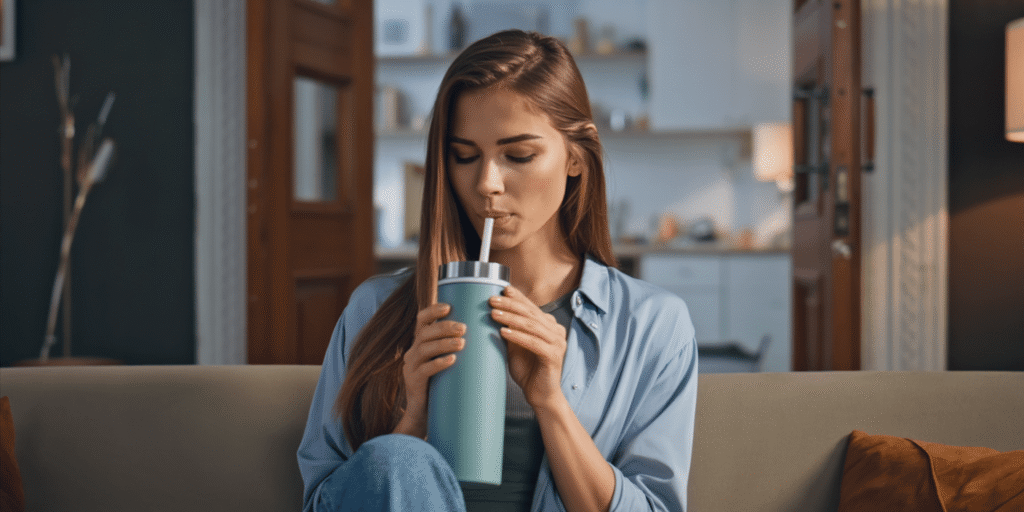

- Double Wall Insulation: Keeps beverages at ideal temperatures for hours
- BPA-Free: Comes with a BPA-free Straw Lid that is dishwasher safe on the top rack
- Leakproof: Offers a tight seal to prevent spills and leaks; Not recommended for hot or carbonated beverages
If “sip steady” had a sidekick, it would be this bottle. The 32-ounce size nudges you to drink through the day, the straw lid makes it effortless, and the insulated stainless steel keeps water pleasantly cool while you get on with life. It’s simple, sturdy, and the kind of habit-helper that disappears into your routine—in the best way.
If you buy through this link, we may earn a small commission at no extra cost to you. Thank you for supporting the work behind this site.